


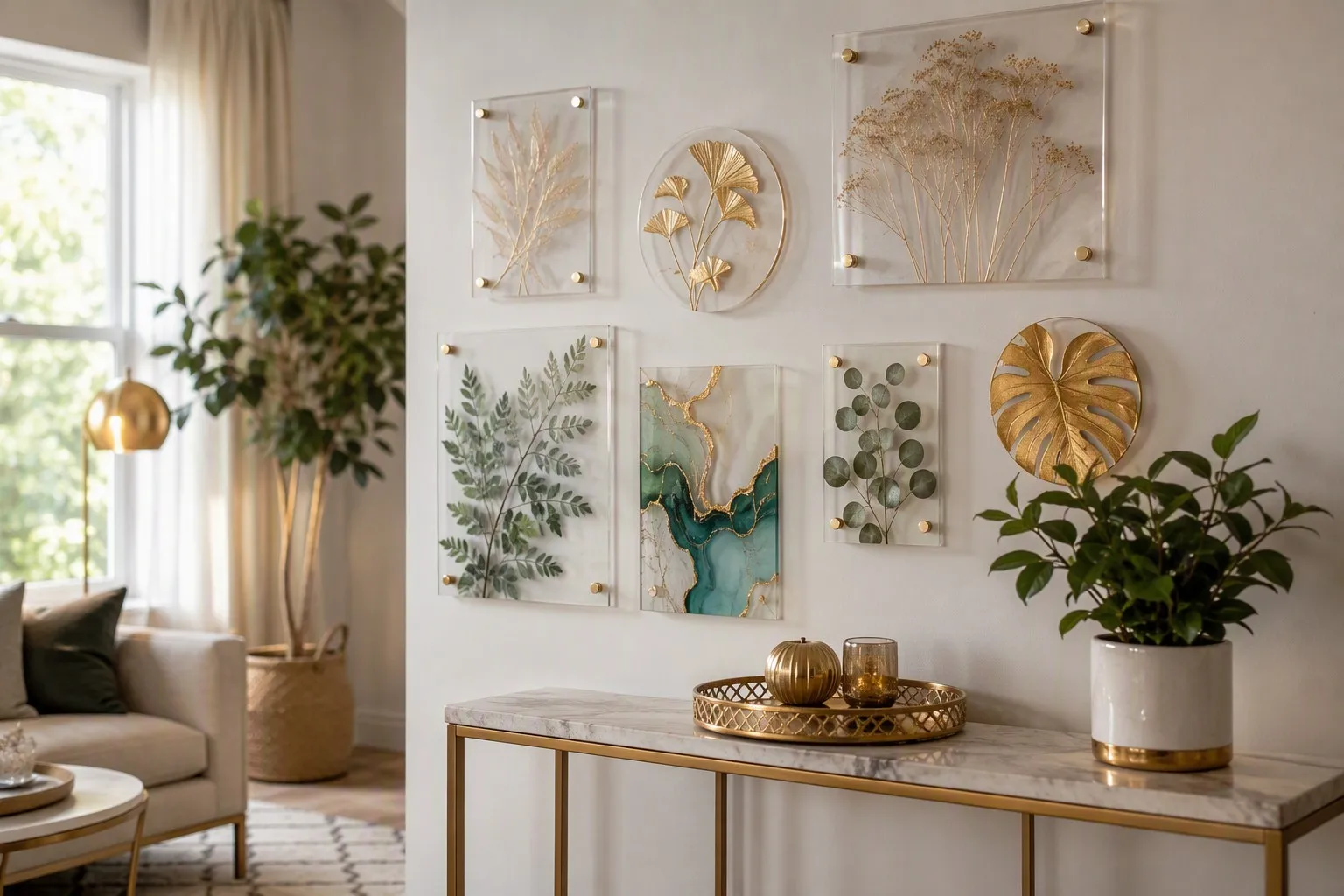
Wall Décor Styling Guide: How to Create a Statement Wall
A blank wall is the most underused asset in any room. It is free real estate. Every guest sees it. Every photo includes it. Yet most homes and hospitality spaces leave walls empty. Or worse, they hang one small framed print at eye level and call it done.
Statement walls change how people feel in a space. They make rooms feel taller, wider, and more intentional. For home décor resellers and interior designers, wall décor is also one of the highest-margin categories. Low unit cost, high perceived value, easy to ship. Here is how to style walls that sell the products on them.
What Makes a Wall a Statement Wall
A statement wall is not a wall with stuff on it. It is a wall that stops people. They notice it from across the room. They walk toward it. They take a picture of it. This effect comes from three things done well.
Scale. One small piece on a large wall looks lost. A statement wall fills the space with multiple pieces or one large anchor. A typical gallery wall covers 60–80% of the visible wall area above furniture.
Contrast. The wall décor must stand out from the wall color. Dark ornaments on a light wall. Metallic pieces on a matte surface. Botanical designs on a neutral background. Without contrast, the wall décor disappears.
Composition. Random placement reads as random. Intentional placement reads as designed. The pieces relate to each other through spacing, alignment, or a common theme. The eye follows a path across the arrangement.
5 Statement Wall Styles That Sell
1. The Symmetrical Grid
Identical pieces arranged in a precise grid with equal spacing. This style says order, calm, and intentionality. It requires minimal styling skill to execute.
Best for: Modern interiors, hotel lobbies, corporate offices, and minimalist homes. It photographs beautifully from straight-on angles.
Product mix: Use 4–9 identical wall ornaments. Choose designs with clean, geometric lines. The power is in the repetition, not the individual piece.
2. The Botanical Cluster
A loose, organic arrangement of botanical and floral wall ornaments. Pieces vary in size and design but share a nature theme. This style drives the most social media engagement.
Best for: Living rooms, bedrooms, boutique hotel rooms, and wellness spaces. It feels aspirational and calm. It pairs well with real plants nearby.
Product mix: Combine varying sizes of botanical ornaments with larger flowers as anchors and smaller sprigs as fillers. The asymmetry is the appeal.
Source: Browse wall décor in botanical and floral patterns for this style.
3. The Eclectic Gallery
A deliberately mismatched collection united by a single common thread. Different sizes, shapes, and patterns. One consistent element: color palette or subject matter.
Best for: Creative studios, boutique retail, restaurants, and personality-driven homes. This style invites closer inspection.
Product mix: 6–12 pieces of varying sizes. Start with one large anchor at the center and build outward. The color palette must be consistent. Without the color thread, eclectic becomes chaotic.
4. The Minimalist Line
Three to five pieces in a single horizontal line. The easiest statement wall to style. Also the easiest to get wrong. The line must be perfectly straight and the spacing perfectly even.
Best for: Dining rooms, hallways, above console tables, and behind reception desks. It adds structure without adding clutter.
Product mix: Use identical or nearly identical pieces. Abstract designs work best. Place at 57–60 inches from the floor for standard ceiling heights.
5. The Trays-as-Wall-Art Statement
An underused tactic: decorative trays mounted as wall art. Trays with ornate patterns or metallic finishes make stunning wall pieces. They add depth that flat prints cannot match.
Best for: Dining rooms, kitchens, and boutique hospitality spaces. This style starts conversations.
Product mix: 3–5 decorative trays in a loose triangle or diamond shape. Choose trays with patterns that read well from a distance.
Source: Decorative trays with bold patterns double as wall art.
The Technical Side of Styling a Wall
Spacing rules that professionals use:
- Between pieces: 2–4 inches. Closer spacing feels curated. Wider spacing feels airy.
- Above furniture: Bottom of the lowest piece sits 6–10 inches above the furniture.
- Center height: Center of the arrangement at 57–60 inches from the floor. This is average eye level for standing adults.
Layout before you nail:
Lay the entire arrangement on the floor first. Trace each piece on kraft paper and cut out the shapes. Tape them to the wall with painter's tape. Step back and adjust. Live with it for a day. This takes 30 minutes and prevents hours of patching nail holes.
Lighting matters:
Wall décor near a window catches natural light and changes throughout the day. Metallic pieces need light to shine. Place them where light hits them directly. Matte pieces work anywhere.
How to Sell Wall Décor: Tips for Resellers
Bundle wall décor into sets.
Buyers freeze when asked to curate a gallery wall themselves. Sell pre-curated sets of 5–7 pieces with a styling guide and layout templates. Charge 15–20% more than the sum of individual pieces. Buyers pay for the curation.
Show the product in context.
A wall ornament on a white background tells the buyer nothing. Show it on a styled wall above a console table in a room. If you cannot stage a full room, use lifestyle mockup tools. Context sells.
Cross-sell with complementary categories.
A buyer who purchases wall décor is likely decorating a room. Show them charger plates for their dining table. Show them trays for their console. One wall purchase opens three product categories.
Seasonal refreshes drive repeat purchases.
Wall décor is not a one-time purchase. Buyers refresh their walls seasonally. Launch 3–4 seasonal wall décor collections per year. Spring botanicals, summer brights, autumn warm tones, winter metallics. Email past customers when new collections drop.
Wall Décor by Room: A Quick Reference
| Room | Style | Product Count | Notes |
|---|---|---|---|
| Living Room | Gallery or botanical cluster | 5–9 pieces | Largest wall gets the statement |
| Dining Room | Minimalist line or trays-as-art | 3–5 pieces | Wall behind the head of the table |
| Bedroom | Botanical cluster | 4–6 pieces | Above the headboard, calm tones |
| Hallway | Symmetrical grid or line | 3–7 pieces | Draws the eye down the corridor |
| Home Office | Eclectic gallery | 5–8 pieces | Personality wall behind the desk |
| Hotel Lobby | Symmetrical grid | 7–12 pieces | Large scale, neutral palette |
| Restaurant | Eclectic gallery | 8–15 pieces | Themes that match the cuisine |
Conclusion: Empty Walls Are Lost Revenue
Every blank wall is a missed opportunity. Wall décor is affordable, easy to install, and instantly transformative. For resellers, it is one of the most profitable categories. Low cost. Easy shipping. High repeat purchase potential.
At MintiHome, our wall décor collection spans botanical, abstract, seasonal, and minimalist designs. With MOQs of 50 pieces per design and factory-direct pricing, you can curate statement wall bundles that sell at 5–8x markup. Free samples let you test arrangements before ordering volume. Contact us on WhatsApp (+86 18575541790) or email alanw@mintihome.com for a quote within 12 hours.
Frequently Asked Questions
How many pieces do I need for a statement wall?
Minimum 3 pieces for a line arrangement. 5–9 pieces for a gallery wall. 7–12 for a large statement wall. A good rule: the total width of your arrangement should be 60–80% of the wall width.
Do all wall décor pieces need to match?
No. But they need to share one common thread. Same color palette, same theme, or same finish. Botanical, abstract, or metallic. One mismatched piece in an otherwise cohesive arrangement draws the eye for the wrong reason.
Can I mix wall décor with framed prints?
Yes. Wall ornaments and framed art work well together. Alternate ornament-print-ornament-print in a gallery arrangement. The ornaments add depth that flat prints lack. This combination is trending in 2026 interior design.
How do I style a rental apartment wall without nails?
Lightweight acrylic wall ornaments can be hung with removable adhesive strips rated for the wall surface. Test one piece for 24 hours before hanging the full arrangement. Some removal products can damage paint. Always check lease terms first.
How often should I update my wall décor inventory as a reseller?
Add 3–5 new designs quarterly. Retire designs that have not sold in 6 months. Seasonal collections refresh your catalog and give past customers a reason to return. The core year-round collection of 10–15 neutral designs should stay stable.


