


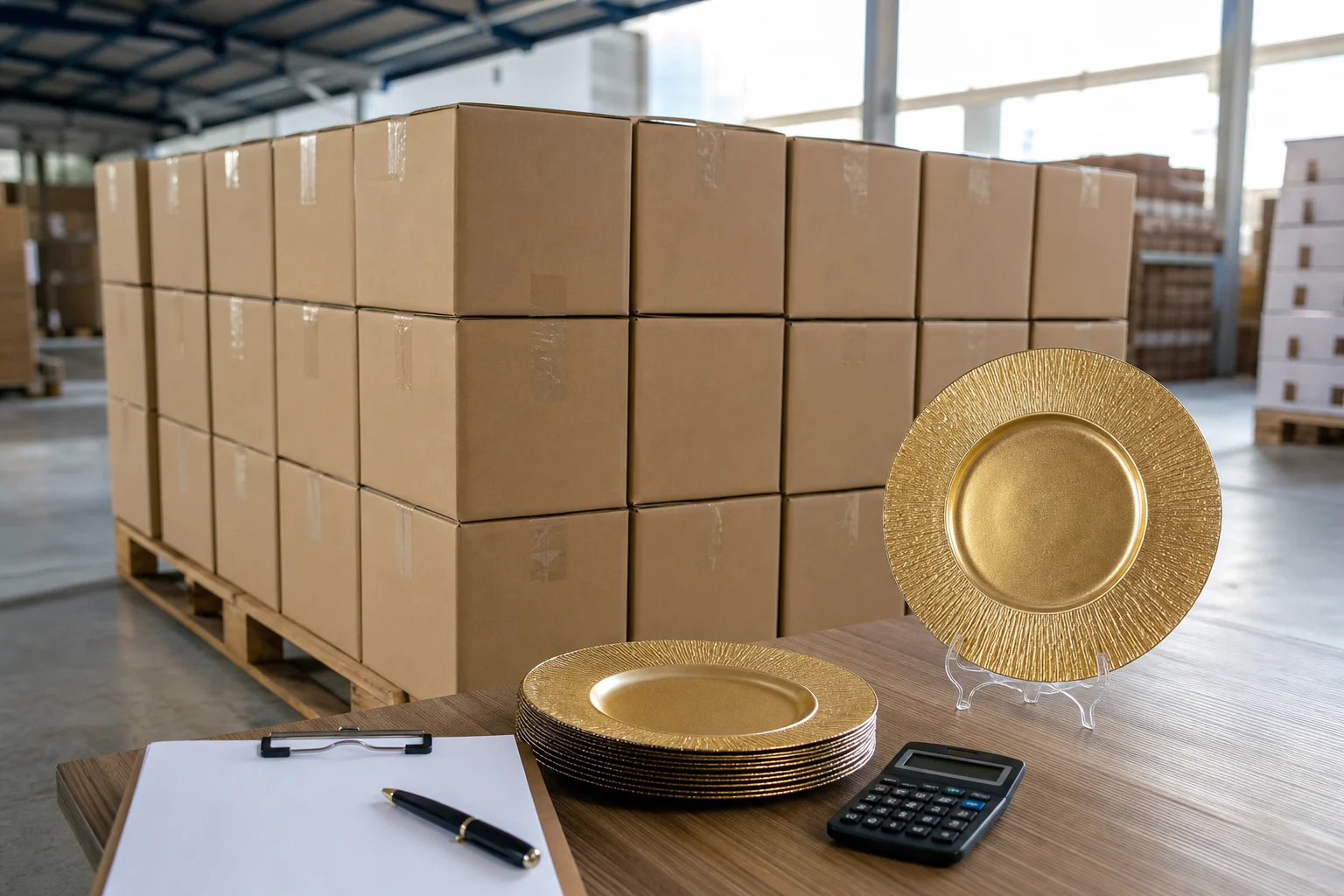
Bulk Buying Guide: How to Lower Your Landed Cost per Unit
Landed cost is the number that actually matters. It is the total you pay to get one unit into your warehouse, ready to sell. Unit price is only part of the story. Freight, duties, and order size all move the final number.
Lowering your landed cost per unit is the fastest way to widen your margin. Here is a practical guide for importers and wholesalers who want to buy smarter and pay less per piece.
What Is Landed Cost?
Landed cost is the true cost of a product once it reaches your door. It is the figure that determines whether you actually make money.
The landed cost formula:
- Product unit cost (EXW price)
- Freight (by express, air, sea, rail, or road)
- Import duties and taxes
- Insurance and handling
- Any local delivery or storage
The unit price looks small on the invoice. The landed cost is the honest total. Smart buyers optimize the whole formula, not just the unit price.
Start With a Low EXW Unit Price
Everything starts with the factory price. A lower unit price lowers every downstream cost that scales with quantity.
How to get the best unit price:
- Order in larger quantities. The per-unit price falls as volume rises.
- Consolidate designs where allowed. Note that MintiHome MOQs cannot be merged across designs.
- Choose simpler finishes. Custom finishes can add cost.
- Negotiate on volume, not just price. Ask for a better rate at your target quantity.
At MintiHome, charger plates start around $0.62 EXW, trays around $3.58, and wall décor from about $0.33. Those low factory prices are the foundation of a healthy landed cost.
Optimize Freight for Your Volume
Freight is often the biggest single lever on landed cost. The right method depends on how much you order and how fast you need it.
Freight options at MintiHome:
- Express — fastest, for urgent or low-volume orders
- Air — fast but costly, best for light or high-value items
- Sea — the lowest cost per unit, best for large orders
- Rail — a middle-ground cost for land routes
- Road — flexible for regional delivery
The rule of thumb is simple. Small orders lean on express and air. Large orders should almost always ship by sea, because sea freight spreads the cost across far more units and drives the per-unit freight down sharply.
Match Order Size to Production Lead Time
Order size also affects lead time, and lead time affects your cash flow and stockouts.
MintiHome production lead times:
- Under 5,000 pieces: 3–7 working days
- Standard orders: 5–10 working days
- Over 5,000 pieces: 15–20 working days
Larger orders take longer to produce, but they lower both unit price and per-unit freight. Plan ahead so the longer lead time does not cause a stockout. Buying early and in bulk is usually cheaper than reordering small amounts repeatedly.
Reduce Risk With Samples First
A sample costs a little now and saves a lot later. A rejected bulk order is far more expensive than a sample.
The sample process at MintiHome:
- Free samples, 1–5 pieces per design
- You pay only the freight
- The sample freight is refunded when your bulk order reaches $2,000
Test the exact color, finish, and weight before committing. A small sample investment protects the entire bulk order from costly mistakes.
Consolidate Orders to Reduce Handling
Every separate shipment carries its own fixed costs. Consolidating orders lowers the cost per unit.
How to consolidate:
- Combine multiple designs into one shipment.
- Order seasonal stock in one go rather than piecemeal.
- Coordinate with the factory on packaging to maximize carton efficiency.
- Batch complementary products together.
Grouping orders reduces per-shipment fees, customs entries, and handling. It is one of the simplest ways to shave cost without changing the product at all. For example, adding transparent charger plates to an existing charger order fills a carton without a new shipment.
Use DDP to Remove Surprises
Hidden costs eat margins. A DDP (Delivered Duty Paid) quote removes the guesswork by including duties and delivery in one price.
Why DDP helps:
- You see the full cost before you commit.
- There are no surprise duty or clearance fees.
- Cash flow is easier to forecast.
- You can price your products with confidence.
MintiHome offers DDP to the US and major markets. It turns a complicated landed cost into a single, predictable number.
Calculate Your Real Margin Before Ordering
Before every order, run the full landed cost math. Estimate your margin at the landed cost, not the unit price.
The margin check:
- Start with the EXW unit price.
- Add estimated freight per unit.
- Add estimated duties and taxes.
- Add handling and local delivery.
- Divide by the number of units for the true landed cost.
- Compare to your selling price and target margin.
If the margin does not work at the landed cost, adjust the order size, the freight method, or the product. Never decide on unit price alone.
Conclusion: Buy Smarter, Not Just Cheaper
Lowering landed cost is not about squeezing the factory. It is about optimizing the whole supply chain. Bigger orders, sea freight, consolidated shipments, and DDP quotes all push the per-unit cost down without cutting corners on quality.
At MintiHome, our low EXW prices, flexible freight options, and DDP service help you build a landed cost that actually works. Explore our charger plates, trays and platters, and wall décor to plan your next bulk order. Contact us on WhatsApp (+86 18575541790) or email alanw@mintihome.com for a full quote within 12 hours.
Frequently Asked Questions
What is landed cost and why does it matter?
Landed cost is the total cost of a product once it reaches your warehouse. It includes the unit price, freight, duties, insurance, and handling. It is the true number that determines your margin, because the unit price alone hides most of the real cost.
What is the best freight method for large bulk orders?
Sea freight is usually the best choice for large orders. It costs the least per unit because the freight charge spreads across far more pieces. Express and air are better for urgent or small orders, but they add significantly to the per-unit cost.
How does order size affect my landed cost?
Larger orders lower both the unit price and the per-unit freight. At MintiHome, orders over 5,000 pieces take 15–20 working days to produce, while smaller orders take as little as 3–7 days. Planning ahead for the longer lead time lets you buy in bulk and save per unit.
Can I consolidate multiple designs into one order?
Yes, you can ship multiple designs together to reduce handling and per-shipment costs. Note that MintiHome MOQs apply per design and cannot be merged across designs. Combining products into one shipment is a simple way to lower the cost per unit without changing the product.
What is DDP shipping and how does it help?
DDP (Delivered Duty Paid) means the quoted price includes duties and delivery. It removes surprise fees and makes your landed cost predictable. MintiHome offers DDP to the US and major markets, so you can price your products with confidence before committing.


